
There is something almost poetic about the fact that New York City held a baguette competition last year. Seventeen bakeries. Judged on appearance, taste, and something harder to quantify. As one participant put it, a great baguette is the kind of thing that brings back memories in a single bite.
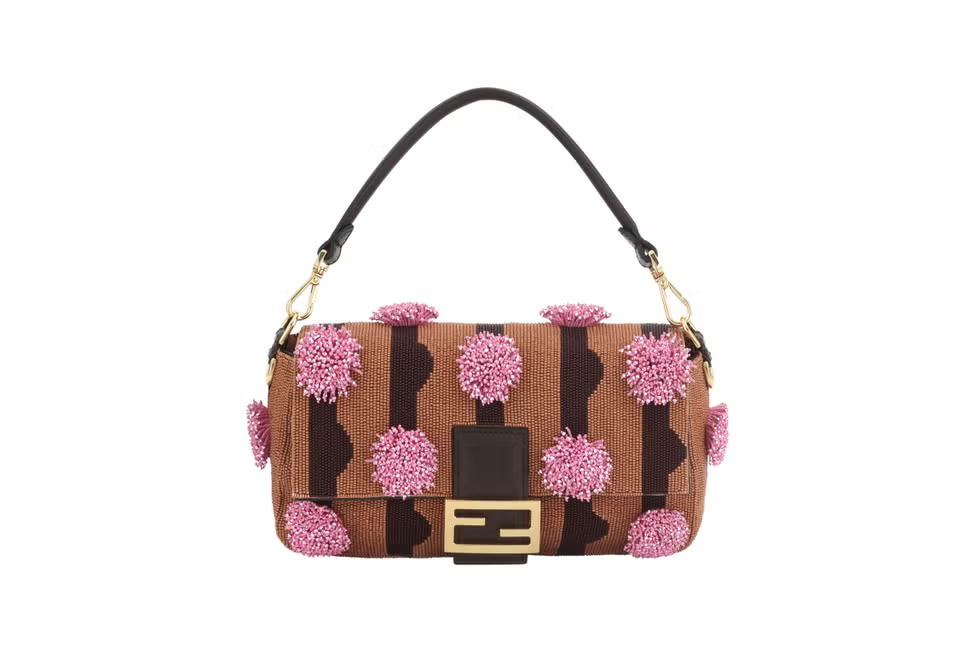
The same could honestly be said about the Fendi Baguette.
Silvia Venturini Fendi designed it in 1997, and nearly thirty years later, it still feels like it was made for right now. Fendi is celebrating its centennial this year, but the bag needs no anniversary to justify its relevance. Elizabeth Taylor reportedly owned at least eighteen of them. Madison Beer has been spotted clutching hers alongside her phone on the way to a workout class in Los Angeles. Zoë Kravitz carried a highlighter-green version through a New York winter like it was the most natural thing in the world. And when Rihanna announced her pregnancy, she showed up to Carbone carrying a plush crossbody shaped like an actual baguette. Of course she did.
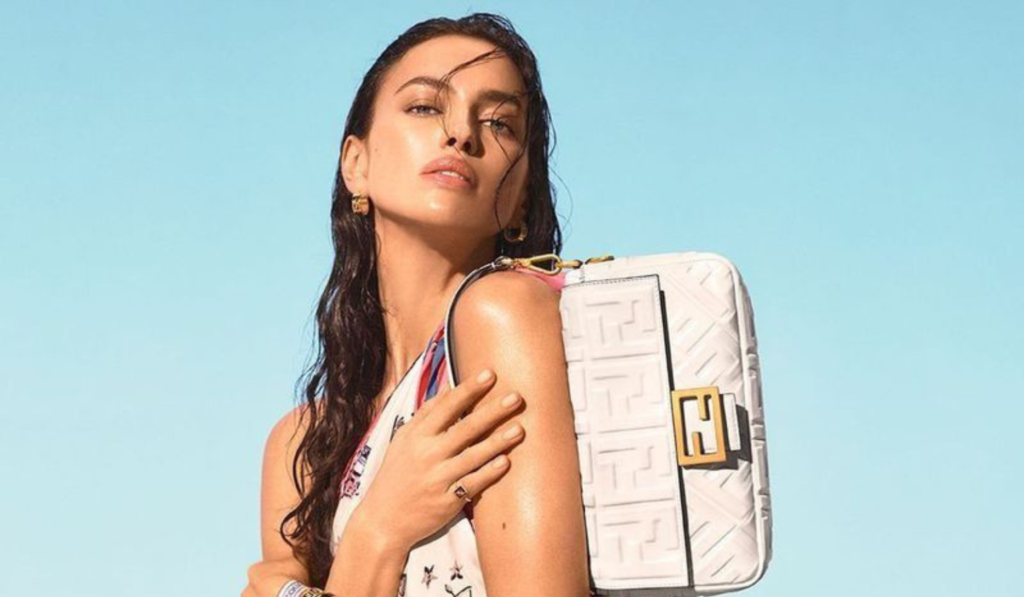
The name was never accidental. Venturini Fendi drew direct inspiration from French bread the kind tucked under your arm on the way home from the market. It was a deliberately unconventional choice for the era. The late nineties belonged to hard, structured, unapologetically boxy bags. The Carolyn Bessette Kennedy tote was the aesthetic of the moment. The Baguette went the other direction entirely soft, small, worn close to the body. Venturini Fendi has described designing it as something almost instinctive, saying she was immediately certain about that short shoulder strap, certain it should feel like an extension of the person wearing it.
Then came Carrie Bradshaw. When she looked a mugger dead in the eyes on Sex and the City and told him he wasn’t stealing a bag, he was stealing a Baguette, the conversation was over. It had crossed the line from accessory into cultural object.
What followed was decades of reinvention without loss of identity. The Baguette has been made from scented leather in collaboration with master perfumer Francis Kurkdjian. It has arrived with cartoon eyes and fur in the form of the “Monster” edition, which, in retrospect, felt ahead of the whole Labubu moment by years. Each new version manages to surprise without ever feeling unrecognizable.
Venturini Fendi has grown quietly philosophical about why the bag keeps working. “I consider the Baguette a manifesto of individualism,” she has said, “because it is always the same but always different, never losing her identity.” She talks about the bag with a kind of tenderness, as though it has a personality worth protecting. “She protects you, and you protect her.”
For a bag that was never supposed to be a statement, it has said an awful lot.