

When Khloé Kardashian mentioned she had flown to South Korea specifically for lasers and skin boosters, it barely registered as surprising. South Korea pulled in over a million medical tourists in 2024 alone, most of them chasing the kind of skin that no serum shelf can fully deliver. The dermatology clinics in Seoul have long been operating at a different level, and the treatments that have made them legendary are finally arriving in American offices. A few things worth knowing before you book: these are best done under a doctor’s supervision, and what works beautifully for one person may be contraindicated for another. Here is what to ask about at your next appointment.
For Tightening
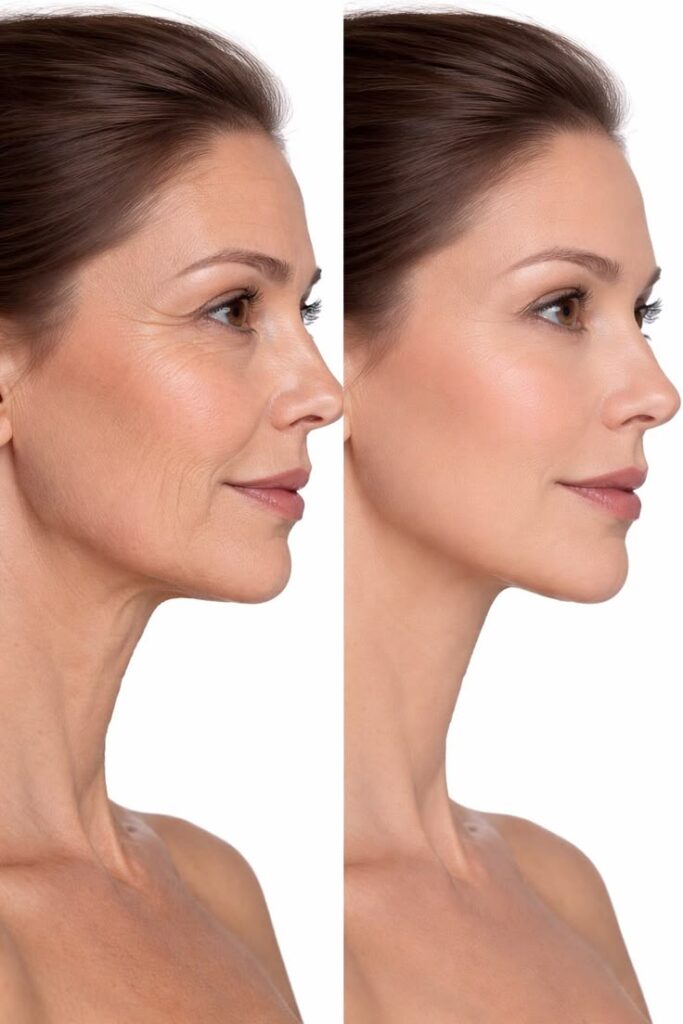
America knows monopolar radiofrequency through Thermage effective, but not exactly beloved for its comfort levels. Korean alternatives like Everesse and XERF have been gaining serious ground among U.S. dermatologists, and for good reason. Everesse uses continuous water-based cooling technology to reduce discomfort while delivering heat deep enough to trigger the body’s own collagen and elastin rebuilding process. XERF works on the same wavelength but adds a second frequency that reaches below the fat layer for a more pronounced lift with a built-in system to prevent the skin from overheating. One New York dermatologist describes the sensation as closer to a hot stone massage than a medical procedure. Downtime for both is minimal, and most practitioners recommend two sessions spaced three to four months apart for optimal results.
For Smoothing
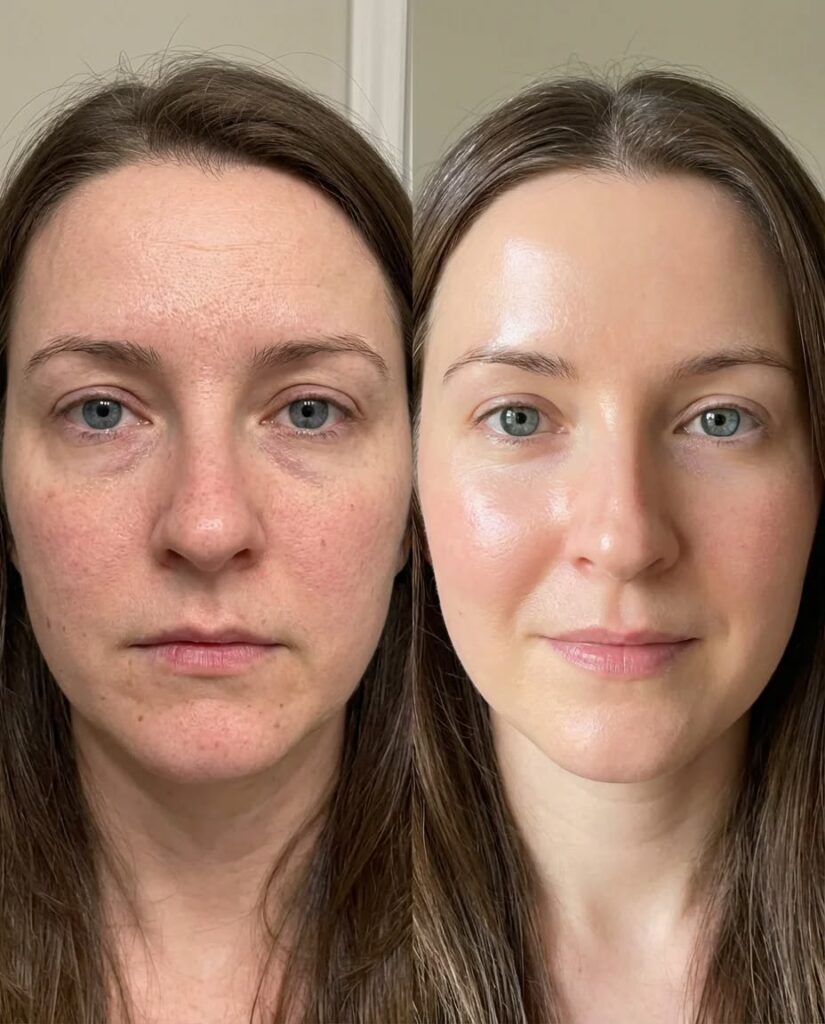
South Korea has access to more than thirty neurotoxin formulations. The United States has six. The gap tells you everything about how differently the two countries approach the wrinkle conversation. Letybo, a Korean neurotoxin now FDA-approved stateside, has been quietly building a following among facial plastic surgeons who prefer its lighter touch. Its high purity and low protein load make it less likely to trigger resistance over time a rare but real issue that affects a small percentage of long-term neurotoxin users. In Korea, it has long been the preferred choice for baby Botox protocols and glass skin techniques, prized for results that look genuinely like your face, only better. No frozen brow, no heaviness. Just a softer, more natural version of what neurotoxins can do when handled with precision.
For Brightening
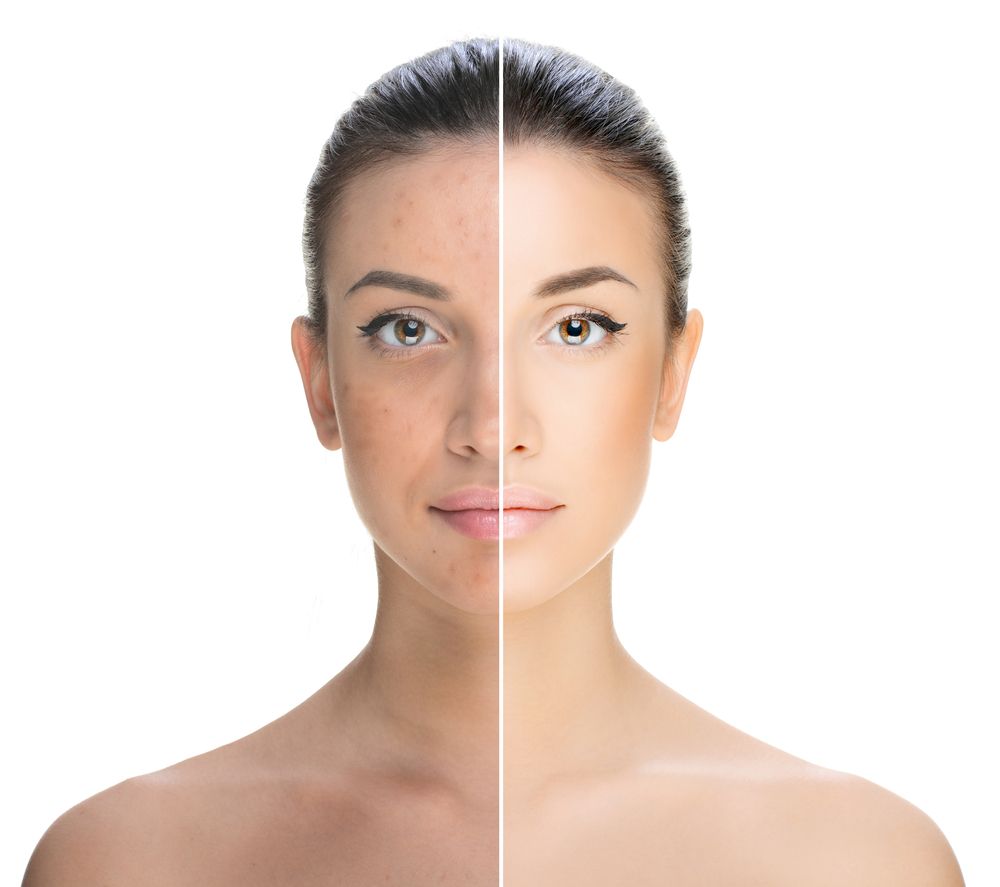
Salmon sperm had a moment in 2025 that no one entirely saw coming. PDRN polynucleotides derived from purified salmon DNA — migrated from Korean clinic menus into sheet masks, serums, and creams at a speed that suggested the beauty industry had been waiting for it. In South Korea, it can be injected directly to stimulate collagen production and accelerate cellular regeneration, with anti-inflammatory and brightening effects that have made it a staple in post-treatment recovery protocols. In the U.S., injectable PDRN is not yet cleared, but doctors are applying it topically immediately after fractional laser or microneedling when the skin’s absorption capacity is at its highest. The window lasts roughly four to six hours, and the results are meaningful: recovery time from microneedling that typically runs three days of redness can be reduced to half a day with PDRN applied correctly. Think of it as a precision recovery tool one that makes your other treatments work harder and heal faster.