
You’ve sorted the gym membership and the outfit. Now sort the one thing that actually changes your results.

You’ve committed to the gym. The leggings are cute, the trainers are broken in, and your bag is packed. But before you walk through those doors, there’s one question worth answering properly: what did you eat today and when?
Pre-workout nutrition is one of those topics that lives somewhere between genuine science and a lot of conflicting opinions on the internet. Fasted workouts have their evangelists. So does the banana-before-the-gym crowd. The truth, as it usually is, sits somewhere more nuanced and a lot more practical.
We asked two leading nutritionists to settle it.
Should you eat before a workout at all?
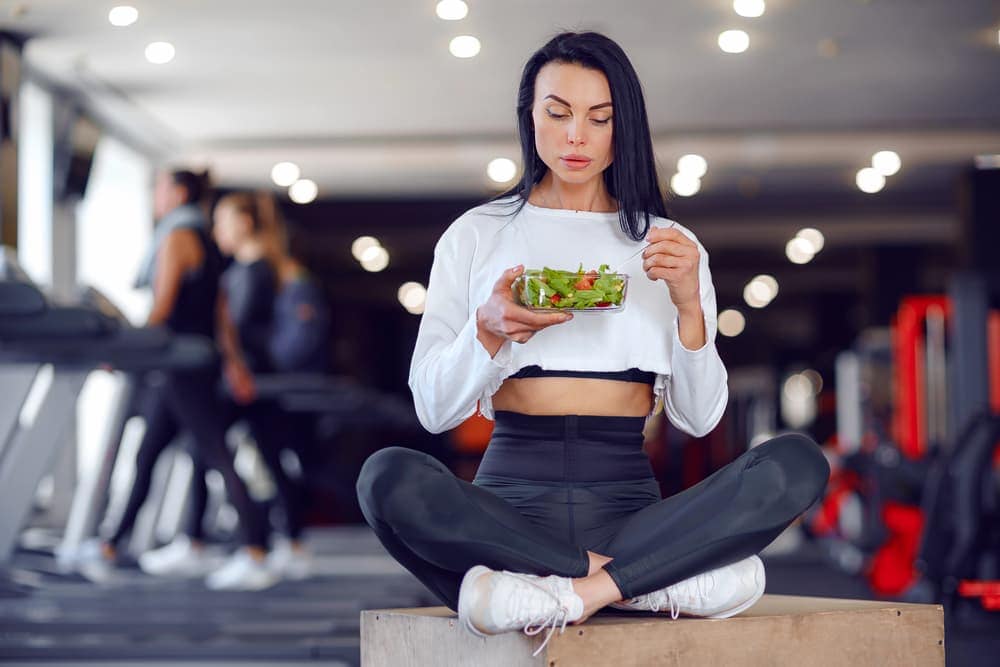
Yes — and the fasted workout debate is largely settled. “Recent studies show there is no difference in fat loss between fasted and non-fasted workouts,” says Dylan Davies, cofounder and CEO of boutique gym Lift Society and a certified nutritionist. Her conclusion: eat beforehand, because the supposed fat-burning advantage of training on empty doesn’t hold up when you look at overall results.
Erin Barrett, PhD, nutritional biochemist and Director of Product Innovation at Shaklee, agrees. By clinical definition, a fasted workout means exercising after 10 to 14 hours without food. “While this may increase fat burning during the session, it does not lead to increased fat loss overall,” she explains. So the trade-off isn’t worth it especially when eating well before training directly improves how you perform and recover.
Why pre-workout nutrition matters
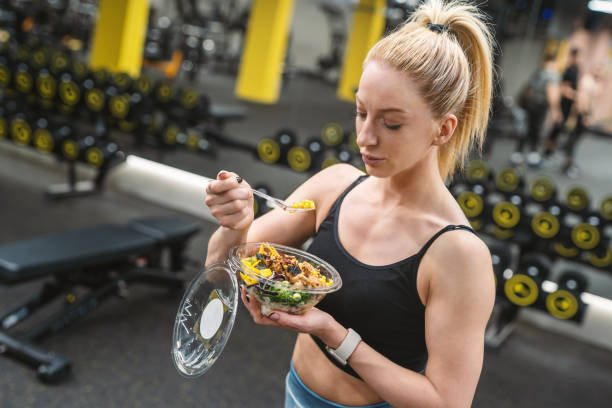
Dr. Barrett breaks it down simply:
Energy. Carbohydrates are your body’s primary fuel source during exercise. Without them, you’re running on empty and your output will reflect that. Eating before a workout boosts endurance, sharpens performance, and reduces the risk of hitting a wall mid-session.
Performance. A well-fueled body simply moves better. Strength, speed, and stamina all improve when your muscles have what they need to work with.
Recovery. This one surprises people. The recovery process doesn’t begin when you leave the gym it begins before you arrive. A carbohydrate-rich snack eaten before training gives your body a head start on rebuilding, so you’re not starting from zero when the session ends.
What should you actually eat?
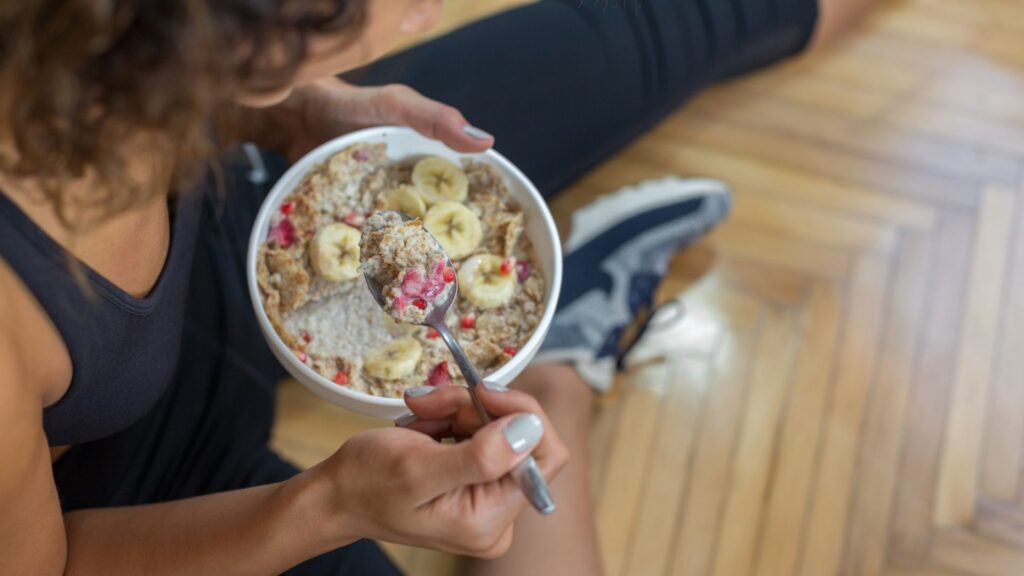
The consensus between both experts: carbohydrates and protein, eaten about 30 minutes before you train.
“I recommend eating carbs and having a small amount of caffeine about 30 minutes before a workout for best results,” says Davies. Her personal go-to is a high-carb protein shake blended banana, non-fat Greek yogurt, berries, almond milk, and whey protein isolate. The result is roughly 300 calories, 40 grams of protein, and 65 grams of carbohydrates. It’s filling without being heavy, and it delivers exactly what your body needs before it’s asked to work.
If a shake isn’t your thing, Davies suggests keeping it simple: fruit, rice cakes with lean protein, toast with egg whites, or a quality protein bar if you’re short on time. “Sticking with foods your body is already familiar with is a big help,” she says. This isn’t the moment to experiment with something new.
Dr. Barrett also recommends considering a pre-workout drink with natural caffeine derived from green tea rather than synthetic stimulants to support focus and performance without the crash.
What to avoid

High-fat foods before training are the most common mistake. Fried foods, spicy dishes, and full-fat dairy all take significantly longer to digest which means your body is still processing your meal when it should be focused on your workout. The result, as anyone who’s felt the urge to leave a spin class early knows, is uncomfortable at best.
If you’ve experienced stomach issues when eating before exercise, Dr. Barrett’s advice is not to give up on pre-workout nutrition entirely, but to examine both what you’re eating and when. The problem is almost always one of those two variables, not the act of eating itself.
Timing matters as much as the food itself
If you’re eating a full meal, give yourself two to three hours before training. If it’s a light snack something low in fat and easy to digest thirty minutes is enough for most people. It may take some trial and error to find your rhythm, and that’s entirely normal. Your digestion, your workout intensity, and your schedule will all factor into what works for you specifically.
And after the workout?

“If you have a small snack before your workout and your session was intense, you’ll likely be ready for a proper meal afterward,” says Davies. That post-workout meal should be balanced protein, carbohydrates, and healthy fat all have a role to play.
Dr. Barrett adds that protein becomes especially important after training, when your muscles are actively repairing. For high-intensity or endurance-focused sessions, a combination of carbs and protein is the most effective way to replenish glycogen stores and support lean muscle recovery.
The bottom line: eat well before you train, eat well after, and stop treating hunger as a sign that the workout is working. It isn’t it’s just a sign that you’re under-fueled.